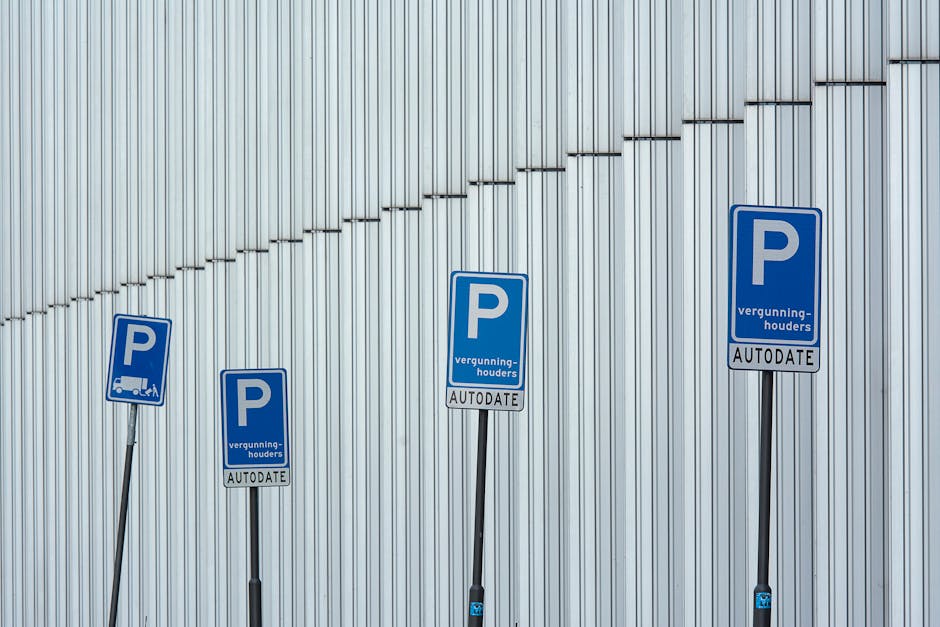
Kingston council parking permit rules for removals vans: a practical guide for moving day
If you are planning a move in Kingston, parking is rarely the glamorous part, but it is often the bit that causes the most stress. The Kingston council parking permit rules for removals vans can make the difference between a smooth unload and a costly, awkward scramble outside the front door. And let's be honest, nobody wants to be standing in the rain at 7:30am trying to figure out whether the van can stay where it is.
This guide breaks down what matters, how removals van parking usually works in practice, what to check before moving day, and how to avoid the common mistakes that catch people out. It also explains where local removal planning fits with wider move preparation, from packing and boxes to house removals in Kingston and flat removals, because parking rarely sits in isolation. It is part of the whole move.
Expert summary: For removals vans in Kingston, the safest approach is to treat parking as a planning task, not a last-minute admin job. Check restrictions early, allow for loading space, and build a buffer for narrow streets, permit areas, and timing issues.
Table of Contents
- Why Kingston council parking permit rules for removals vans matters
- How Kingston council parking permit rules for removals vans works
- Key benefits and practical advantages
- Who this is for and when it makes sense
- Step-by-step guidance
- Expert tips for better results
- Common mistakes to avoid
- Tools, resources and recommendations
- Law, compliance, standards, and best practice
- Options, methods, or comparison table
- Case study or real-world example
- Practical checklist
- Conclusion
- Frequently asked questions
Why Kingston council parking permit rules for removals vans Matters
Parking rules matter because removals vans are not small, flexible vehicles. They need space, time, and often a bit of breathing room to get the furniture out safely. In Kingston, that is especially true in busy residential streets, near station areas, terrace rows, and tighter roads where two cars passing each other can already feel like a small miracle.
If you ignore the parking position, you risk more than inconvenience. You may face delays, extra carrying distance, blocked access for neighbours, upset building managers, or enforcement action if the van is left in a restricted bay without the right arrangements. That can quickly add pressure to a day that is already busy enough.
The issue is not just "Can the van stop here?" It is also: can it stop here long enough to load safely, can the tail lift or doors open without blocking traffic, and can your removals team actually work efficiently? Those are the real questions.
There is also a commercial side. If you are comparing options such as man with a van in Kingston upon Thames, a more standard removal van service, or a full-house move, parking rules influence the cost, the timing, and how long the job takes. In other words, the parking plan is part of the quote, even if it is not listed line by line.
For many households, the final outcome feels simple: fewer surprises, less walking distance, and a calmer moving day. That is worth a lot.
How Kingston council parking permit rules for removals vans Works
The exact arrangements depend on the street, the type of restriction in place, and the size of the vehicle. That sounds vague because, to be fair, it often is. Kingston has different parking controls across different roads, and a removals van may be treated differently from a private car because it needs short-term loading access rather than all-day parking.
In practical terms, a removals van usually needs one of the following:
- a permitted loading area;
- temporary access to a resident bay or shared-use bay, where allowed;
- a formal parking suspension or special arrangement for a particular bay or length of road;
- short-term loading/unloading space with restrictions respected;
- building or estate permission where the road itself is private or managed.
The important point is this: do not assume a removals van can simply park where your own car normally parks. A bay that works for a hatchback may be too small, too narrow, or governed by rules that are stricter for commercial vehicles. A van may also need additional space to safely open doors, move items, and reverse out later. That is the bit people forget until the van arrives and everyone starts making apologetic hand gestures.
For many moves, the sensible approach is to check the street layout early, confirm whether parking is controlled, and decide if a permit, dispensation, or loading allowance is needed. If you are moving from a flat, especially in a busier part of town, it helps to read advice such as KT1 flat removals advice near Kingston Station and Kingston removals access issues for terrace homes. Those situations often bring the same parking headaches, just with slightly different scenery.
One more thing: if your move crosses a boundary between residential and commercial zones, or uses a road with timed restrictions, do not rely on guesswork. It is better to ask early than to stand outside with a sofa and no space for the van. That is not a fun place to be.
Key Benefits and Practical Advantages
Getting the parking side right does more than avoid fines. It changes the tone of the whole move. Here are the main benefits people notice.
- Less carrying distance: the closer the van, the less time and effort it takes to move heavy items.
- Lower risk of damage: fewer steps, kerbs, and tight corners means less chance of knocking furniture or walls.
- Faster loading and unloading: the team can work continuously instead of wasting time walking back and forth.
- Better safety: safe parking reduces the need to wheel items around traffic or squeeze through awkward gaps.
- Less neighbour friction: if the van is parked properly, you are less likely to upset residents, building managers, or delivery drivers.
There is a quieter benefit too: peace of mind. Once parking is sorted, the rest of the move starts to feel manageable. That matters more than people think, especially if you are already juggling cleaners, handovers, school runs, or a last-minute key collection.
If you are dealing with a bigger home move, a move involving bulky furniture, or a route that needs careful planning, these practical gains are even more obvious. You can see why services like furniture removals and house removals often depend on a sensible parking strategy from the start.
And if the move has to happen quickly, parking planning becomes even more important. A rushed booking for same-day removals in Kingston can still go well, but only if the vehicle can actually stop where it needs to.
Who This Is For and When It Makes Sense
This topic matters for a broader group than people often assume. Yes, it is relevant to homeowners. But it also affects renters, students, office movers, landlords, and anyone moving awkward items through a controlled parking zone.
- Home movers: especially if you live on a busy residential road, near a terrace, or in a permit-heavy zone.
- Flat movers: because flats often have tighter access, shared entrances, and less curbside flexibility.
- Students: smaller moves still need a parking plan, particularly around busy term-time streets.
- Office teams: business moves often involve time pressure and access windows, so parking precision matters.
- Man and van customers: if you are using a smaller vehicle, you may think parking is easy. Sometimes it is. Sometimes it really isn't.
It makes the most sense to think about permit rules when you have any of the following:
- controlled parking bays outside the property;
- a narrow street with limited stopping space;
- loading restrictions during certain hours;
- a building with shared access or a concierge;
- large or fragile items that need a direct route from van to door.
If your move is in a quieter street, you may still need a permit or a temporary arrangement. If you are near a busier stretch, or somewhere with foot traffic and parked cars on both sides, you definitely want to check early. Kingston has plenty of lovely streets, but "lovely" and "easy for a van" are not always the same thing. Truth be told, a pretty street can be a logistical headache.
For people comparing move types, the choice between man and van and a larger crew often comes down to property size, item volume, and access. Parking rules can nudge that decision more than people expect.
Step-by-Step Guidance
If you want a smooth moving day, work through the parking side methodically. Here is a practical sequence that keeps stress down and reduces the chance of last-minute surprises.
- Check the street restrictions early. Look at whether the road is permit-controlled, shared-use, pay-and-display, or loading restricted. Do this well before move day, not the night before.
- Measure access realistically. Think about vehicle length, turning room, gate width, and whether the van can stop without blocking junctions or driveways.
- Ask whether a permit or parking arrangement is needed. For some roads, a temporary permit or suspension may be the right route. For others, a loading allowance may be enough.
- Speak to the removals team. A decent moving crew will want to know access details, parking conditions, and whether they need to bring trolleys, extra hands, or protective equipment.
- Check the timing window. Some streets are much easier before school-run traffic, commuter peaks, or daytime delivery rushes.
- Prepare neighbour-facing basics. Give notice if appropriate, keep communal areas clear, and make sure bins, bikes, and plant pots are not in the way.
- Have a backup plan. If the ideal space is taken, know where the van can stop temporarily while you sort the final position.
A realistic example: if you are moving from a first-floor flat and the only space is across the road, your team may need to use trolleys, extra trips, or a different loading position. That is not a disaster. It just needs planning. Small changes, big difference.
If you are still deciding how to package the move, it can help to look at wider support options such as removal services in Kingston upon Thames, removals in Kingston upon Thames, and services overview. That gives you a better sense of what support is available around access, lifting, packing, and timing.
Expert Tips for Better Results
After enough moves, a few patterns become obvious. The people who stay calm are not necessarily the most organised in every area. They are the ones who sort the awkward bits early.
- Choose the parking side of the street carefully. Sometimes one side gives you a safer unloading line even if both are technically possible.
- Keep the front entrance clear. Sounds obvious, but shoes, planters, and recycling bins often end up exactly where you need them.
- Build in time for the first parking attempt to fail. Seriously. The first space you want is often the space someone else wants too.
- Take photos before unloading. Useful for access records, neighbour discussions, and general peace of mind.
- Confirm vehicle size with the removals provider. A van that is too small means extra runs; one that is too big may create parking problems. Balance matters.
- Keep one person focused on the parking situation. On busy moves, too many people giving instructions can become a mini circus.
One practical tip that helps more than people expect: keep a simple written note of the move address, road restrictions, arrival time, and any agreed parking solution. It takes two minutes and saves repeated phone calls when everyone is already carrying boxes.
If your move includes specialist items, such as a piano or a heavy dining table, the parking plan matters even more. You may want to see piano removals in Kingston upon Thames for an example of why direct access and careful loading points are so useful.
And if you are packing still, do not leave it all to the final evening. A calmer pack means a calmer curbside handover. Packing and boxes support can make a surprising difference there.
Common Mistakes to Avoid
This is the section where a lot of moving-day problems get born. Most mistakes are not dramatic. They are small assumptions that snowball.
- Assuming your own car space works for a removals van. It often does not.
- Leaving parking until the day before. By then, it may be too late to secure the right arrangement.
- Forgetting loading restrictions. A van may be allowed to stop, but only for a limited purpose or time.
- Blocking the pavement or junction. Even if it feels temporary, it can become a problem fast.
- Not warning the removals team about narrow access. They can adapt, but only if they know.
- Ignoring building rules. Private forecourts, communal drives, and managed estates can have their own rules on top of council parking controls.
There is also a financial mistake people make. They compare quotes without asking how access and parking affect the job. That can lead to hidden extras, longer labour time, or a scramble to rearrange on the morning. If you want to avoid that kind of headache, read how to avoid hidden removals charges in Kingston. It is the sort of thing you wish you had read before the estimate, not after.
Another subtle one: people assume a small move needs no planning. But a single sofa bed on a busy road can be trickier than a whole house on a quiet cul-de-sac. Funny how that works.
Tools, Resources and Recommendations
You do not need a huge toolkit to manage parking properly. You do need the right information and a few practical supports.
- Street observations: walk the road if you can, or ask someone local about the busiest times and awkward corners.
- Move plan notes: keep a simple checklist of access, timing, parking, keys, and contact details.
- Clear measurements: door widths, stair turns, lift dimensions, and van length all matter more than they first seem.
- Packing support: the neater the packing, the faster the unload, which reduces the time pressure on parking.
- Secure storage options: if access is messy or dates do not align, consider storage to reduce same-day pressure.
If you are unsure how much help you need, it can be useful to explore storage in Kingston upon Thames as a backup. That is especially handy where a staggered move is easier than trying to force everything into one day.
For general support and planning, the pages on pricing and quotes, insurance and safety, and health and safety policy are also worth a look. They help set expectations around service, protection, and sensible moving standards.
And if you just want to understand the company a bit better before going further, a quick read of about us can help. The human side matters too, especially when someone is handling your home's contents on a tight schedule.
Law, Compliance, Standards, and Best Practice
Parking for removals vans sits at the intersection of local parking controls, road safety, and general moving-day best practice. You do not need to become a parking-law specialist, but you do need to respect the rules in place where the van is stopping.
In broad terms, good practice means:
- parking only where it is allowed or specifically arranged;
- avoiding obstruction of traffic, driveways, crossings, and access routes;
- keeping loading periods as efficient as possible;
- making sure the vehicle can be driven away safely;
- working in a way that protects pedestrians, neighbours, and the moving crew.
Where managed property rules apply, those should be followed too. Council controls are not the only rules that matter. A private estate may have its own access expectations, and a building manager may need advance notice for the lift, loading bay, or bay allocation. Best practice is to treat every layer seriously, even if it feels bureaucratic on the surface.
From a removals-industry perspective, clear communication is part of compliance. If access is restricted, the booking should reflect that. If parking is likely to be difficult, the team should know before arrival. That is not just courteous; it is part of delivering a safe, workable service.
For households and businesses, this is why specialist services like office removals in Kingston upon Thames and student removals in Kingston upon Thames often start with access questions before anything else. Different moves, same principle: plan the space first, then the boxes.
Options, Methods, or Comparison Table
There is more than one way to handle removals van parking in Kingston. The right method depends on the street, the vehicle, and how much lifting time you need.
| Option | Best for | Pros | Limitations |
|---|---|---|---|
| Simple roadside loading | Quiet streets with short stopping windows | Fast, low admin, flexible | Not suitable where restrictions are strict or traffic is heavy |
| Permit-based parking | Controlled parking areas | More reliable access, better planning | May require advance steps and clear timing |
| Parking suspension or reserved bay | Busy roads or tight access zones | Best control over the loading space | Needs more preparation and may involve extra coordination |
| Private estate or building arrangement | Flats, managed blocks, commercial premises | Clearer access for the removals team | Depends on approval from the property manager or landlord |
For many people, the simplest option is not the cheapest or the most flexible. It is the one that removes guesswork. If the schedule is tight or the street is awkward, certainty is worth paying attention to.
That is especially true for moves in popular or high-traffic parts of Kingston. Some routes are fine at 9am and miserable by lunchtime. If you are planning around local roads and access, a useful nearby read is Surbiton to Kingston house removals route and parking tips. Different journey, same lesson: plan the parking, not just the drive.
Case Study or Real-World Example
Imagine a family moving from a two-bedroom terrace in Kingston with limited frontage and no driveway. The road is narrow, parking is shared, and the nearest available space is often taken by residents before 8am. The family originally thinks, "We'll just park the van nearby." Simple enough. Except the nearest nearby spot is also the shortest route for every other car in the street.
What worked better was this: they checked the road conditions in advance, identified a short loading window, and asked the removals team to arrive early with enough flexibility to reposition if needed. They also kept the entrance clear, moved bins the night before, and asked neighbours to leave the immediate space open if possible. Nothing fancy. Just calm planning.
On the day, the van parked slightly further down than ideal, but not badly. The team used trolleys for the heaviest pieces, and the unload stayed efficient because the route to the door had already been cleared. No fines. No shouting. No one trying to hold a sofa on a kerb while checking a phone at the same time. A small victory, but a real one.
This is the kind of situation where Kingston's local access quirks matter more than people realise. If you are moving from a terrace home, a flat near the station, or a street where parking gets tight in the morning, practical planning beats optimism every single time.
Practical Checklist
Use this as a simple pre-move check. It is not glamorous, but it works.
- Confirm the van size and arrival time.
- Check whether the road is permit-controlled or loading-restricted.
- Ask if a parking permit, suspension, or special arrangement is needed.
- Measure the access route from van to property entrance.
- Tell the removals team about narrow roads, low branches, or tight turns.
- Move bins, bikes, and personal items out of the way.
- Notify neighbours if the space or access may be affected.
- Prepare keys, building access codes, and lift details in advance.
- Keep a fallback plan if the first parking option is taken.
- Reconfirm everything the day before, especially for early starts.
One-line reminder: parking problems are easiest to fix before the move starts. After that, they tend to become everyone's problem.
Conclusion
Kingston council parking permit rules for removals vans are not just a technical detail. They are a central part of move-day success. When you get them right, the move is quicker, safer, and much less stressful. When you get them wrong, even a small job can feel much bigger than it should.
The key is simple enough: check restrictions early, plan the access route, talk to your removals provider, and do not assume the van can park like an everyday car. That one assumption causes a surprising amount of trouble. Better to spend a little time now than lose hours on the day.
If you are still choosing how to structure the move, it may help to review the available support options, compare quotes properly, and think about parking at the same time as packing and access. That's the tidy way to do it, even if moving day itself still feels a bit chaotic. It usually does.
Get a free quote today and see how much you can save.
Frequently Asked Questions
Do removals vans need a parking permit in Kingston?
Sometimes, yes. It depends on the street, the parking restrictions in place, and how long the van needs to stop. In controlled parking zones, a permit or special arrangement may be needed.
Can a removals van use a resident bay for loading?
Not automatically. Some bays allow loading or short stopping, while others do not. The safest approach is to check the rules for that specific bay or road before moving day.
How far in advance should I sort parking for a move?
As early as possible. For busier roads or tighter streets, a few days can make a difference. For more complex arrangements, earlier is better still.
What happens if the van cannot park right outside?
The team may have to load from a nearby spot, which can add time and effort. It usually still works, but it is slower and may require trolleys or extra carrying.
Are parking suspensions always needed for removals?
No. Some moves only need short-term loading space or a simple arrangement. Parking suspensions are more likely where space is limited or the road is heavily used.
Do flats usually need more parking planning than houses?
Often, yes. Flats can involve shared access, lifts, concierge rules, or limited roadside space. That makes parking and loading coordination more important.
Can I just risk it and park where there is space?
You can, but it is not a good idea. The risk of fines, delays, neighbour complaints, or blocked access is usually not worth it, especially on a moving day with a tight schedule.
Does the size of the removals van matter?
Very much. A larger van may need more space, while a smaller van may need more trips. The right size depends on both the load and the available parking.
What if I am using a man and van service?
The same parking principles still apply. The vehicle may be smaller, but it still needs legal, practical stopping space close enough to make the move efficient.
Should I tell my removals company about parking restrictions?
Yes, absolutely. It helps them plan the right vehicle, time slot, and loading method. It also reduces the chance of hidden surprises on the day.
What if the property manager has separate rules?
Follow those as well. Private buildings and managed estates may have their own access rules on top of council restrictions, and both matter.
Is there a best time of day for removals van parking in Kingston?
Often earlier in the day is easier, but it depends on the street. School runs, commuter traffic, and local deliveries can all make certain times harder than others.
For more practical moving support, you may also want to explore removal companies in Kingston upon Thames, recycling and sustainability, or contact the team if you need to talk through the details. A careful move is rarely accidental. It is usually planned by someone who looked at the parking first.
And if you are curious about the local area beyond the move itself, there are also useful reads on living considerations in Kingston, buying and selling in Kingston, and Kingston removals guidance for Richmond Road and Canbury residents. Sometimes the best moving advice is simply knowing the neighbourhood well enough to expect the awkward bits.
For a final touch of reassurance: if you plan the parking, the rest tends to behave itself. Not perfectly. But well enough.