Removals permit requirements Kingston loading bay rules explained
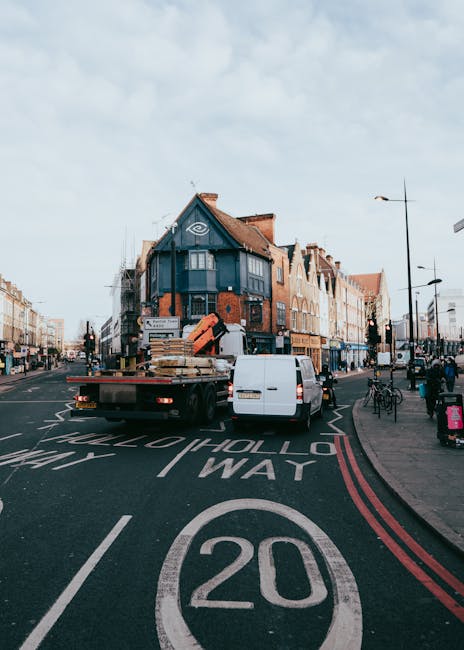
If you are planning a move in Kingston, there is a good chance the biggest headache will not be the boxes. It will be where the van can stop, how long it can stay there, and whether you need a permit before anyone starts lifting sofas through a front door. That is why removals permit requirements Kingston loading bay rules explained matters so much. Get the parking and loading plan wrong, and a straightforward move can turn into delays, extra costs, or a very stressed removal team standing in the road at 8:00 in the morning.
This guide breaks the whole thing down in plain English. You will learn how loading bays work, when a permit is usually needed, what can go wrong on moving day, and how to prepare without overcomplicating it. I will also cover practical local situations, from flats near Kingston station to tighter residential streets where every kerb space feels like gold dust. Let's make it simpler.
Why Removals permit requirements Kingston loading bay rules explained Matters
In Kingston, parking for a removals vehicle is not just a small admin detail. It is part of the move itself. If the van cannot stop close enough to the property, the team spends more time carrying items, the job takes longer, and the whole day gets harder. If a bay is reserved, signed, or time-restricted, you need to know whether your vehicle can use it and for how long.
This matters even more if you are moving from a flat, a terrace home with narrow frontage, or a busy road where delivery vehicles already compete for space. Kingston has plenty of streets where a badly planned stop means circling, waiting, or loading from a distance with a trolley. Nobody enjoys that. Not the movers, not the neighbours, and definitely not you on a moving day when the kettle is somewhere in a box labelled "misc".
There is also the cost side. A permit issue can mean a parking ticket, a vehicle being asked to move, or a job running beyond the original estimate. If you have booked a man with a van in Kingston upon Thames or a larger team for a full house move, the right parking arrangement helps everything stay on schedule. That alone can make the difference between a calm move and a day that feels oddly endless.
Expert summary: treat loading access as part of the removals plan, not an afterthought. In Kingston, the road outside your property can shape the timing, cost, and ease of the whole move.
How Removals permit requirements Kingston loading bay rules explained Works
Here is the short version. A removals permit, parking dispensation, or loading bay authorisation is usually about giving a vehicle permission to stop in a place where it would normally be restricted. That can include a loading bay, a single yellow line at certain times, or a managed bay near a flat or commercial building. The exact permission depends on the location, the road type, the time of day, and the vehicle size.
Loading bay rules are there to keep traffic moving, protect access for residents and businesses, and stop unloading vehicles from blocking the road indefinitely. In practice, that means the driver may be allowed to stop only for genuine loading and unloading, and only within the permitted time window. If the vehicle sits there without active loading, that is where trouble starts. Councils and parking enforcement teams tend to care about that distinction. Quite rightly, really.
For removals in Kingston, the process usually looks like this:
- Check the property type and street layout.
- Identify whether there is a loading bay, a permit zone, or no dedicated space at all.
- Confirm the moving time and whether it overlaps with any parking restrictions.
- Arrange any required permission or alternative parking plan.
- Share the access details with the removal team before moving day.
That last step matters more than people think. A team can only plan properly if it knows whether the vehicle can sit outside, whether there are height restrictions, whether the bay is shared, and whether anyone will need to supervise the space. If your move is a flat move, this becomes even more important. For a more localised service overview, you may also find the page on flat removals in Kingston upon Thames useful when planning a move in a building with tighter access.
One thing to keep in mind: loading bay rules and permit requirements can change by road, by time, and by council area. So if you are unsure, it is better to verify the details early than to assume a van can just pause outside for an hour. That assumption has caused more grief than anyone admits.
Key Benefits and Practical Advantages
Good permit planning is not only about avoiding penalties. It improves the whole moving experience. A tidy access plan keeps the crew moving, reduces carrying distance, and helps protect bulky items from damage. You will notice the difference most in tighter roads, where every extra minute spent looking for parking adds friction.
- Less delay: the vehicle arrives where it needs to be, instead of hunting around nearby streets.
- Lower risk of charges: fewer surprises from parking restrictions or overstaying in a loading bay.
- Safer handling: shorter carrying distances mean fewer trips, less strain, and a lower chance of dropping items.
- Smoother teamwork: the removal crew can work in a proper rhythm instead of improvising on the pavement.
- Better neighbour relations: nobody enjoys a van blocking the road when a move drags on past lunchtime.
It also helps with planning other moving services. If you are combining access issues with packing, furniture dismantling, or storage, the route from van to front door becomes a big deal. For example, someone using furniture removals in Kingston upon Thames may need more room than expected for handling larger items safely. A loading bay can be the difference between a controlled move and a very awkward shuffle of wardrobes and dining tables.
And yes, there is a mental benefit too. A good plan lowers stress. You wake up on moving day knowing the van has a place to stop. That calm feeling is worth a lot when the boxes are stacked by the hallway and everyone is asking where the keys are.
Who This Is For and When It Makes Sense
This topic matters for almost anyone moving within or into Kingston, but some people need it more than others.
- Flat movers: especially if the building has no private driveway or the entrance is on a busy street.
- House movers in terraced streets: where bay space is limited and the road width makes parking tricky.
- Students: if you are moving in or out around busier times of year, parking can be awkward and fast-moving.
- Office relocations: because business moves often need a strict schedule and limited loading windows.
- Last-minute movers: if you are booking a same-day slot, the parking plan becomes even more important.
If you are moving with larger items, the need for proper loading access becomes obvious very quickly. A piano, for example, is not something you want to carry across three parked cars and a narrow footway. In that situation, it makes sense to look at piano removals in Kingston upon Thames and talk through the access details before anything is booked.
It also makes sense for anyone already looking at wider moving support. If you are comparing services, the main services overview is a useful place to understand what can be bundled together. And if you are in the early stage of choosing a provider, the page on removal companies in Kingston upon Thames can help you think about the type of support you need.
Truth be told, the people who benefit most are often the ones who assume parking will be easy. Then they find out the bay is shared, time-limited, or full by 7:30 in the morning. Happens all the time.
Step-by-Step Guidance
If you want a practical way to handle removals permit requirements and loading bay rules in Kingston, use this sequence. It is simple, but it saves a lot of back-and-forth.
- Check the property access first. Walk outside and look at the road properly. Where would the van stop? Is there a bay, a yellow line, private land, or nothing usable at all?
- Confirm the move window. Choose your arrival time carefully. A bay that works at 10:00 may not work at 8:00 or late afternoon.
- Ask what the vehicle needs. A small van may fit into spaces a larger removals truck cannot. That affects whether you need extra parking help.
- Plan for loading duration. Be realistic. A one-bedroom flat can still take longer than expected if lifts are slow or stairs are awkward.
- Prepare building details. Gate codes, concierge contact numbers, stair access, and lift availability all help.
- Share the information early. Give the removal provider enough time to assess the stop, route, and vehicle choice.
- Have a backup plan. If the loading bay is unavailable, know where the nearest practical alternative is.
Here is the bit that people often miss: you do not just need to know whether parking is legal. You need to know whether it is practical. Those are not always the same thing. A technically legal stop may still be a terrible choice if it blocks a pedestrian route or forces the team to carry heavy furniture too far.
If your move is between nearby neighbourhoods, route planning matters too. For example, a move from Surbiton into central Kingston can be straightforward on paper, but loading access near the destination may change the whole timing. A good local read is the Surbiton to Kingston house removals route and parking tips article, which touches on common access pinch points.
And if you are moving from a terrace property, pay even closer attention to where the vehicle can wait. Kingston terrace homes can be lovely, but parking? A different story. For that situation, the article on access issues for terrace homes in Kingston is especially relevant.
Expert Tips for Better Results
After seeing plenty of moves go well and a few go a bit sideways, a pattern becomes clear. The best outcomes usually come from simple preparation done early. Not glamorous, just effective.
- Measure the space outside the property. A loading bay may exist, but the van still needs room to line up safely.
- Check for time-specific restrictions. Some spaces are available only for loading during certain hours.
- Keep neighbours informed when possible. A small heads-up can reduce complaints if the move is happening early.
- Separate immediate-load items. Put the first wave of boxes near the exit so the crew can work quickly once parked.
- Use storage when timing gets tight. If access and completion times do not line up, short-term storage can take pressure off the move.
That last one is worth repeating. If the new place is not ready, or the access window is too short, storage can solve a lot. It is not a failure. It is just practical. You can look at storage in Kingston upon Thames if a staged move feels more sensible.
Another good habit is to keep a simple access note for the move team: best entrance, bay location, gate access, and any awkward turn or slope. It sounds minor until you are standing outside with a mattress in the rain, trying to remember whether the side alley was actually usable. That sort of detail matters more than people think.
Common Mistakes to Avoid
Most removals parking problems come from a handful of familiar mistakes. Once you know them, they are easy enough to sidestep.
- Assuming a loading bay is always free. Shared bays can be occupied, especially in busy parts of Kingston.
- Leaving permit checks until the week of the move. That often leaves no room to correct a mistake.
- Ignoring the size of the vehicle. A man and van setup and a full removals van do not need the same space.
- Forgetting about access restrictions. Low bridges, width limits, and tight turns can all affect the plan.
- Overstaying in a loading area. If loading is not active, it can become a problem fast.
- Not warning the team about bulky items. A piano, wardrobe, or large sofa may change the vehicle and parking choice.
One of the more common slip-ups is underestimating how long loading takes. People think, "It's just a few boxes and a sofa," then the morning runs away because the lift is busy, a cupboard has to come apart, and someone cannot find the keys. Very normal. Very human.
Another mistake is choosing a cheap service without asking how they handle access restrictions. If cost is your only filter, you can end up paying more later through delays or extra handling. The article on cheap removals in Kingston and the problems low-cost can create is worth reading if you are weighing budget against reliability.
Tools, Resources and Recommendations
You do not need a huge toolkit to plan this well. You need a few sensible checks and the right information in one place.
- Property measurements: know the width of the entrance, stairwell, and any turning point.
- Vehicle estimate: confirm whether you need a small van, larger van, or full removals vehicle.
- Inventory list: mark which items are fragile, bulky, heavy, or awkward.
- Building contact details: useful for access codes, lift booking, or concierge support.
- Move-day timeline: a written plan is better than relying on memory alone.
Useful supporting pages on this site include packing and boxes in Kingston upon Thames if you are still preparing the move, and house removals in Kingston upon Thames if your move is a full household relocation rather than a small load.
If you are trying to understand service scope, the page on removal services in Kingston upon Thames is useful because access planning is rarely a standalone issue. It sits alongside packing, transport, safety, and timing. All of it connects.
And yes, sometimes the best tool is simply a phone call and a calm conversation before the move date. Not thrilling, but effective.
Law, Compliance, Standards, or Best Practice
Because parking and loading are regulated matters, it is wise to treat this as a compliance issue as well as an operational one. The exact local rules depend on the road and the council area, so you should always verify the current position before moving day. That part really matters. Do not guess.
In general, good practice for removals vehicles in Kingston includes:
- using only permitted loading areas for genuine loading and unloading;
- respecting time limits on bays and controlled parking spaces;
- avoiding obstruction of driveways, crossings, and pedestrian access;
- ensuring drivers understand where they can legally wait and where they cannot;
- planning manual handling so that items are not left exposed on pavements for too long.
There is also a safety dimension. Good access planning reduces carrying distance, which lowers the chance of strains, knocks, and slips. If the move includes fragile or heavy items, the provider should think through handling carefully. You can see how this fits with the site's wider approach on insurance and safety and the health and safety policy.
Best practice is not about chasing perfection. It is about making sensible, repeatable choices: check the bay, confirm the vehicle, build in time, and keep communication open. That is what keeps a move on track.
Options, Methods, or Comparison Table
Different moves call for different parking and loading approaches. Here is a simple comparison to help you choose the most suitable method.
| Method | Best for | Pros | Trade-offs |
|---|---|---|---|
| Dedicated loading bay | Flats, busy roads, planned removals | Closest access, easier unloading, more predictable timing | May be time-limited or shared, and not always available |
| Short roadside stop | Small moves or very quick loading | Flexible if permitted, often simple for small teams | Higher risk if time runs over or the space is contested |
| Pre-booked parking permission | Moves where access is known to be tight | Better planning, fewer surprises, improved time control | Needs more preparation and confirmation in advance |
| Alternative nearby parking | Streets with limited front-of-property space | Can avoid blocked access if managed carefully | Longer carrying distance, more labour, slower move |
If you are still deciding which format fits, a small team may work well for lighter jobs, while a bigger vehicle and crew may suit a full house or office relocation. The pages for man and van in Kingston upon Thames and office removals in Kingston upon Thames show how the service type often changes the access plan.
In plain terms: match the parking method to the size and shape of the move. That sounds obvious, but it is where many people go wrong.
Case Study or Real-World Example
Picture a move from a second-floor flat near a busy Kingston road. There is a loading bay outside, but it is shared and only available in a limited window. The resident assumes the van can simply wait there all morning. On the day, the bay is already partly occupied, and another vehicle arrives while the team is carrying boxes. Not disastrous, but messy.
Now compare that with a better-planned version. The mover checks the bay time restrictions in advance, books the team for a slot that matches the loading window, prepares the packed boxes near the door, and tells neighbours about the move. The van stops close to the entrance, the crew works in a steady flow, and the most awkward item is the sofa, not the parking. The whole thing feels controlled. Still tiring, of course, but controlled.
This kind of planning is especially useful in local areas with access quirks. Kingston station approaches, terrace streets, and busier shopping routes can all change the rhythm of a move. If you want more local colour on access around the station area, take a look at KT1 flat removals advice near Kingston station. It is a good reminder that small location details shape the job more than most people expect.
The main lesson? Good parking is not luck. It is planning. And planning takes far less time than clearing up a parking issue mid-move. That bit is worth remembering.
Practical Checklist
Use this checklist a few days before moving day. It keeps the job grounded and helps everyone stay on the same page.
- Confirm the full move address and exact entrance point.
- Check whether there is a loading bay, permit bay, or no parking directly outside.
- Note the time restrictions that affect the area.
- Identify the vehicle size that will be used.
- Tell the team about stairs, lifts, gates, or access codes.
- Set aside bulky items and fragile boxes for first load.
- Keep the telephone number for the property contact close at hand.
- Plan an alternative if the space is unavailable on arrival.
- Review any storage needs if timings are tight.
- Double-check the move schedule the evening before.
If you are still at the organising stage, it can help to compare provider information with the page on pricing and quotes. That way, you are not just looking at the headline figure. You are also thinking about what the quote assumes about access, parking, and time on site. Very easy to miss otherwise.
Conclusion
Loading bays and permit rules may not be the most exciting part of moving, but in Kingston they are often one of the most important. When you understand the access rules early, the move becomes calmer, safer, and usually cheaper to run. You avoid the last-minute scramble, the "where can we stop?" conversation, and the slow drift into unnecessary delays.
So if you are planning a move soon, think about parking before you think about the last box. It is a small shift in order, but it makes a big difference. And if your move is already feeling a bit too busy, that is okay. Most moves are a muddle right up until the final plan clicks into place.
Get a free quote today and see how much you can save.
For a friendly introduction to the team behind these services, you can also visit the about us page. If you need to ask a question or discuss a move with tricky access, the contact page is there when you are ready.
Frequently Asked Questions
Do I need a permit for removals in Kingston if I am using a loading bay?
Sometimes yes, sometimes no. It depends on the road, the bay type, the time of day, and whether the loading bay is public, shared, or restricted. Always check the specific location rather than assuming.
How long can a removals van stay in a loading bay?
That depends on the local restrictions. Some bays are short-stay only, some are for active loading only, and others are part of controlled parking schemes. The key point is that the van should only stay for as long as genuine loading or unloading is taking place.
What happens if the loading bay is already occupied?
You need a backup plan. That may mean waiting briefly, using nearby legal parking, or adjusting the arrival time. If the space is likely to be busy, tell the removals company in advance so they can plan around it.
Can a man and van use the same parking arrangements as a full removals truck?
Not always. Smaller vehicles are easier to place in tighter spaces, but the rules still depend on the road restrictions. The size of the van, the amount of loading time needed, and the type of property all matter.
Are loading bay rules the same across Kingston?
No. Different streets can have different restrictions, and bays may be shared or time-controlled. Kingston is very much a place where one road can be straightforward and the next can be a headache.
What should I tell the removals team before moving day?
Tell them about the parking setup, access points, floor level, lift availability, gate codes, bulky items, and any tight turns or obstacles. A short note can save a lot of confusion later.
Is it worth using storage if parking access is difficult?
Yes, in some cases. If the property access window is short or the move will be split over more than one day, storage can reduce pressure and help the move stay organised.
What are the most common parking mistakes people make on moving day?
The biggest ones are assuming a bay will be free, leaving permit checks too late, underestimating loading time, and not sharing access information with the removals team.
Do office moves need different loading plans from house moves?
Usually yes. Office moves often have stricter timing, more equipment, and a need to avoid disruption to staff or customers. Access planning matters just as much, if not more.
How early should I sort out parking details for a Kingston move?
As early as you can. Once you know the moving date, start checking access and loading options. Leaving it until the last few days is where people get caught out.
What if my building has no lift and I am moving from a top floor flat?
Then the loading plan becomes even more important. Longer carry distances increase time and effort, so a van parked as close as legally possible is a big help. That is exactly where good access planning earns its keep.
Where can I read more about Kingston moving issues like hidden charges or access problems?
The site's local blog content is useful for that. The pieces on avoiding hidden removals charges in Kingston, access issues for terrace homes, and Kingston waste disposal rules for removals are all relevant reading.