Surbiton to Kingston house removals route and parking tips
Posted on 07/05/2026

Moving from Surbiton to Kingston can look simple on a map. It's a short hop, a familiar stretch of South West London, and yet the day itself can get messy very quickly if the route, parking, and loading plan are not sorted in advance. A van blocked behind a delivery truck. A narrow street with nowhere legal to stop. A lift that's slower than you expected. These little things can turn a straightforward house move into a stressful half-day scramble.
This guide brings the practical side of Surbiton to Kingston house removals route and parking tips into one place. You'll find the best ways to plan the journey, how to think about access on both ends, what to do about parking near town-centre streets and residential roads, and where a good removals team can make life much easier. If you're comparing options, it also helps to look at the broader house removals in Kingston service page and the wider removal services overview so you can match the support to your move.
Truth be told, most moving day problems are not dramatic. They're boring little logistics issues. But that's exactly why they matter.
Why Surbiton to Kingston house removals route and parking tips Matters
Even on a short local move, the route shapes the whole day. Surbiton and Kingston are close enough that many people assume the move will be easy. Sometimes it is. But the difference between a smooth move and a frustrating one often comes down to whether the van can stop legally, how long it takes to load, and whether the team can keep moving without repeated delays.
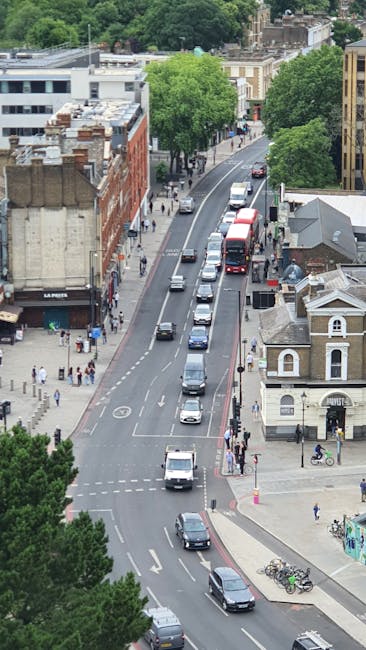
Kingston town centre is busy, with traffic that can build up fast around shopping streets, riverside areas, and commuter peaks. Surbiton also has its own patchwork of residential roads, school runs, and parking controls. If you arrive without a plan, the van may be forced to circle while someone runs upstairs looking for a space. That is not a great start when you have sofas, boxes, and a very tired kettle waiting.
The route and parking plan matters for a few reasons:
- It helps reduce waiting time and extra labour.
- It lowers the risk of damage caused by rushed loading at the kerbside.
- It can improve safety for movers, neighbours, and pedestrians.
- It keeps the move closer to schedule, which is especially useful if keys are changing hands on the same day.
If you are also navigating a sale and purchase on the same timeline, it is worth reading about buying and selling in Kingston because timing pressure is often what makes parking and access feel even tighter than they already are.
Expert summary: the shorter the journey, the more important the parking strategy becomes. On local removals, access issues are often the real bottleneck, not the drive itself.
How Surbiton to Kingston house removals route and parking tips Works
The move usually starts with access planning at both properties. The route between Surbiton and Kingston is typically direct, but the best route for a removal van is not always the quickest route for a car. Larger vehicles need room to turn, safe kerbside stopping space, and fewer surprises from low bridges, tight side streets, or one-way sections.
In practice, a good move plan considers three things:
- Departure access in Surbiton - Is the van able to park outside or close enough for easy loading? Are there permit rules, yellow lines, or narrow streets to think about?
- Travel route - Is there a sensible line into Kingston that avoids unnecessary congestion at the busiest times?
- Arrival access in Kingston - Can the van stop near the new home, and is there a safe unloading area that won't block traffic or get you into trouble with neighbours?
For flats or split-level homes, there is usually a bit more choreography involved. Stairs, entrance halls, and lift access all slow the flow. If that sounds familiar, the practical advice on flat removals in Kingston upon Thames is especially relevant.
Small detail, big impact: if the removal team can park within a short carrying distance of the front door, the whole job feels calmer. Less carrying, less risk, less faff. Simple really.
Key Benefits and Practical Advantages
Good route and parking planning gives you more than convenience. It protects the move from avoidable friction, and that can save time, energy, and sometimes money too.
| Benefit | What it means on moving day | Why it matters |
|---|---|---|
| Shorter loading distance | Items move from door to van more quickly | Reduces labour and physical strain |
| Better schedule control | Fewer pauses caused by parking hunts | Helps with key handover and building access windows |
| Lower damage risk | Less carrying through tight spaces or across roads | Protects furniture, walls, and nerves |
| Less neighbour disruption | Cleaner, more organised loading/unloading | Useful in terraced streets and shared blocks |
There's also a quieter benefit: good planning makes you feel in control. Moving is one of those life events that can make even the organised among us feel a bit untidy. Having a route, a parking plan, and a timed loading sequence gives the day shape.
If you need the right vehicle or a more flexible loading setup, it may help to compare man and van services in Kingston with a dedicated removal van option. The best choice depends on property size, access, and how much you need carried in one go.
Who This Is For and When It Makes Sense
This kind of local route and parking planning is useful for a wide mix of movers, not just families doing a full house relocation. In our experience, the people who benefit most are often the ones who thought they wouldn't need much help at all.
- Homeowners moving between Surbiton and Kingston who want a smooth same-day turnaround.
- Renters with tight move-in or move-out windows, especially in apartments or converted houses.
- Students carrying smaller volumes but facing awkward access, especially near shared buildings.
- People moving bulky or fragile items such as wardrobes, dining sets, or pianos.
- Anyone in a time-sensitive move where keys, completion, or tenancy dates leave no room for guesswork.
If you're dealing with a compact flat, the advice on student removals and packing and boxes can be surprisingly useful, even if you are not a student. Smaller homes still need the same sort of thinking. Maybe more so, because the parking is often tighter.
It also makes sense when the property itself has awkward access. Long driveways, narrow hallways, permit-only bays, or limited unloading times can all shape the move more than the postcode does.
Step-by-Step Guidance
Here is a straightforward way to plan a Surbiton-to-Kingston move without overcomplicating it. Nothing fancy. Just the practical stuff that helps.
- Confirm both addresses and access details. Check if either property has residents' parking, timed restrictions, controlled zones, or an awkward entrance.
- Measure the large items. Sofas, beds, wardrobes, mirrors, and appliances all need a bit of thought. A bed that clears the stairs in your head may not clear them in reality.
- Decide the route with the van in mind. A removal vehicle may need more room than a family car. Choose roads that allow smoother turning and stopping.
- Plan the loading order. Put essentials, fragile items, and bulky furniture into a sequence. A good order saves time when the van door is open and everyone is in motion.
- Secure parking permission if needed. If a bay, permit, or suspension is required, organise it well before moving day. Do not leave it until the evening before. That's a classic panic point.
- Share the plan with everyone involved. Movers, family members, and anyone meeting you at the property should know where to park, where to wait, and who has the keys.
- Keep a fallback option. Parking can still go sideways. Have a nearby legal alternative in mind so the move doesn't stall if the first spot is occupied.
A lot of people forget to do a quick walk-through at both ends. It only takes a few minutes, but it can reveal a blocked pavement, a narrow gate, or a neighbour's van that looks permanently parked there. That sort of thing changes the plan fast.
If you are looking for a team that can help keep the day organised, the broader removal services page is a useful place to explore your options.
Expert Tips for Better Results
These are the small adjustments that tend to make a move feel less chaotic. Not glamorous. Very effective.
- Book the early part of the day if you can. Traffic, deliveries, and commuter flow usually build later. An early start gives you more room to breathe.
- Use labels that actually help. "Kitchen - kettle, mugs, tea" is better than "box 7." You'll thank yourself later when you need a hot drink.
- Reserve the nearest legal stopping point, not the nearest-looking one. The temptation is to aim for the front door. The better choice is the one that keeps you safe and compliant.
- Protect the floors and doorways. In wet weather, which is hardly rare around London, muddy footprints and wet cardboard can quickly become a headache.
- Keep one person focused on parking and one on loading. If everybody is running around doing everything, nobody is actually in charge. Messy, that.
- Have a plan for bulky or specialist items. A piano, antique cabinet, or heavy bookcase may need a different handling approach. For those moves, it's sensible to look at specialist piano removals or furniture removals support.
One very practical tip: if your new home is in a busier part of Kingston, check whether there is a nearby side street where a van can wait briefly without causing disruption. Sometimes that one detail saves the whole day.
And yes, it sounds obvious, but double-check the keys. A surprising number of moves are delayed by someone assuming someone else has them. Classic human behaviour, really.
![A street scene showing a row of parked cars along a pavement in a residential area, with a historic clock tower building featuring a pointed roof and decorative architectural details visible in the background. Tall trees with green foliage line the street, casting shadows over the parked vehicles and sidewalk. The sky is partly cloudy with patches of blue, and street lamps are positioned along the pavement. This setting appears to be part of a home relocation or moving process, where [COMPANY_NAME] may be involved in furniture transport or packing and loading activities, although no individuals or moving equipment are visible in this image.](/pub/blogphoto/surbiton-to-kingston-house-removals-route-and-parking-tips2.jpg)
Common Mistakes to Avoid
Most moving mistakes are not dramatic errors. They are small assumptions. The route will be easy. Parking will sort itself out. Someone must have checked the restrictions. Then the van arrives and things get awkward.
- Assuming a short distance means a simple move. Short routes can still have hard parking and access challenges.
- Ignoring local parking controls. Yellow lines, resident bays, loading limits, and permit zones can all matter.
- Not accounting for congestion times. School runs, market times, and commuter periods can all slow the schedule.
- Leaving large-item planning until the day. If a sofa doesn't fit through the hall, the team needs a different approach, not a guess.
- Overfilling the van plan. If the van is too small, you may need multiple trips. That's fine if expected, frustrating if not.
- Forgetting building rules. Flats and managed properties sometimes have specific lift bookings, delivery windows, or noise expectations.
If you are moving from a block of flats, student housing, or a shared building, the general access guidance on flat removals in Kingston upon Thames and house removals can help you spot these issues earlier.
To be fair, the biggest mistake is probably this: trying to "wing it" with parking in central-ish London. That rarely ages well.
Tools, Resources and Recommendations
You do not need a pile of fancy software to plan a local house move. A few simple tools, and a bit of discipline, usually do the job.
- Route planning maps to compare road options and spot any awkward turns for a van.
- Notes app or moving checklist to keep access details, key contacts, and parking notes in one place.
- Measuring tape for doorways, furniture, and stair widths.
- Labels and marker pens for room-by-room box organisation.
- Protective wrapping for furniture edges, glass, and awkward items.
- Local service information if you need storage, same-day flexibility, or a simpler loading setup.
For some moves, especially if the chain is tight or completion timings are unpredictable, same-day removals in Kingston upon Thames can be worth considering. If you are between homes for a while, storage in Kingston upon Thames may also take pressure off the moving day itself.
If you want to understand pricing, it is sensible to review pricing and quotes early, so the scale of the job matches the budget and the vehicle choice. There's no point pretending a larger move will fit into a tiny plan. The boxes have a habit of telling the truth.
Law, Compliance, Standards, or Best Practice
For removals in the UK, the main practical compliance issues are usually parking, traffic safety, property access, and the way goods are handled during loading and unloading. Exact rules vary by location and property type, so it is always wise to check local parking restrictions and any building-specific requirements before the move.
Good practice usually includes:
- parking only where it is legal and safe to do so;
- not blocking driveways, dropped kerbs, or emergency access;
- respecting residents' parking permits and loading restrictions;
- avoiding damage to walls, flooring, and communal areas;
- using proper lifting and carrying methods for heavy or awkward items;
- communicating clearly with the people at both properties.
Reputable moving companies also tend to work with sensible safety and service standards. If you want more background on how a provider handles these matters, the company's insurance and safety information and health and safety policy are worth reading. That's not box-ticking. It tells you a lot about how a job will be run when the pressure is on.
For wider trust signals, you may also want to review about the company and terms and conditions before confirming anything. Clear expectations make moving day less stressful, no question.
Options, Methods, or Comparison Table
There is no single correct way to move from Surbiton to Kingston. The right method depends on volume, access, timing, and how much help you want on the day.
| Method | Best for | Strengths | Trade-offs |
|---|---|---|---|
| Full house removals service | Larger homes, family moves, complex access | Most support, less lifting for you, easier coordination | Usually the most structured option |
| Man and van | Smaller moves, partial loads, flexible local jobs | Flexible, often ideal for short distances | May need more direct involvement from you |
| Removal van only | Simple transport needs where loading is already organised | Useful if you have help on site | Less hands-on support |
| Specialist item move | Pianos, large furniture, fragile items | Better handling for awkward belongings | May require extra planning and equipment |
If you are trying to keep the move efficient and the parking simple, a man with a van in Kingston upon Thames can be a practical fit for smaller local moves. For heavier or more complex household moves, a full team is usually the calmer option. Calmer is underrated.
Local context matters too. Someone moving into a busy street near the town centre will need a different setup from someone moving into a quieter road with easier curbside access. That's why generic move advice often falls short. Real streets have trees, bins, school traffic, and neighbours who may have parked just a bit too close.
Case Study or Real-World Example
Imagine a couple moving from a terraced house in Surbiton to a two-bedroom property in Kingston. The distance is short, and they think the job will take most of a morning. Fair enough. But their new street has permit-controlled parking, the old house sits on a narrow road, and there is a delivery scheduled near the Kingston address.
What made the move go well was not speed. It was preparation.
- They checked both roads in advance and identified where a van could stop legally.
- They moved the largest furniture first so the loading order made sense.
- They kept one person on parking and one on entry access, which stopped the usual confusion.
- They had a backup plan for a temporary loading spot near the new property.
The result was a steady move rather than a rushed one. No dramatic heroics. No frantic calls. Just a properly managed day. And that's usually what people want, even if they do not say it out loud.
In a slightly different case, a smaller flat move in Kingston worked best because the movers arranged access around the building's narrow entrance and timed the van arrival to avoid the busiest stretch of traffic. That sort of detail is easy to overlook, but it makes all the difference.
Practical Checklist
Use this checklist as a final pass before moving day. It is plain, but useful.
- Confirm both addresses and postcodes.
- Check parking restrictions at both properties.
- Arrange permits or suspension requests if needed.
- Measure large furniture and key access points.
- Decide the best time window for loading and unloading.
- Label boxes by room and priority.
- Separate essentials for the first night.
- Protect flooring, corners, and fragile items.
- Share key contacts and arrival instructions with everyone involved.
- Keep a backup parking option in mind.
- Check whether any specialist items need extra handling.
- Review insurance, safety, and service terms before confirming the booking.
Quick takeaway: if you sort parking, route access, and load order early, the move feels much smaller on the day. That is the whole trick, really.
Conclusion
Moving from Surbiton to Kingston should feel manageable, and with the right route and parking plan, it usually is. The short distance helps, but the real win comes from understanding where the van can stop, how to avoid access headaches, and how to keep the loading process calm. That is what turns a local move into a well-run one.
If you are comparing support options, look closely at the details that affect the day itself: parking, vehicle choice, fragile-item handling, and whether the team understands the local streets well enough to keep things moving. For many people, that practical knowledge matters more than anything else.
Get a free quote today and see how much you can save.
And if you are still weighing up the wider picture, a few extra reads can help you feel more settled about the move: living considerations in Kingston, the quieter side of Kingston living, and the Kingston removals guide for Richmond Road and Canbury residents. Small local details can make a big difference, and moving day has enough surprises already.