Kingston removals access issues for terrace homes
Posted on 18/06/2026
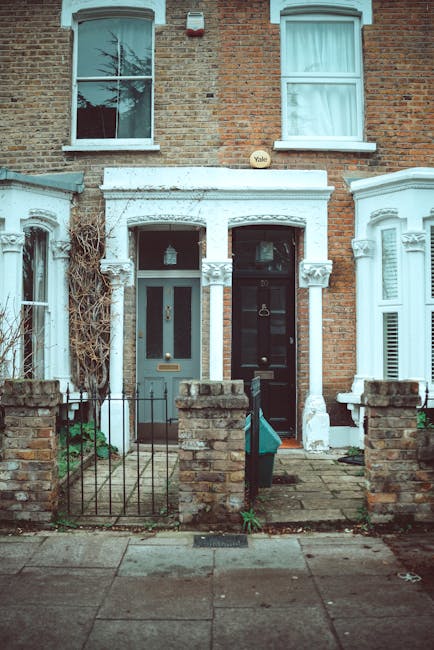
Kingston removals access issues for terrace homes: a practical guide for narrow streets, parking and tricky entry points
Terrace homes can make moving day feel a bit like a puzzle. In Kingston, that often means tight front steps, shared access, parked cars on both sides of the road, and a removals van that cannot simply pull up outside the door. If you are dealing with Kingston removals access issues for terrace homes, you are probably not wondering whether the move is possible; you are wondering how to make it smooth, safe, and not wildly stressful. That is exactly what this guide covers, from planning and parking to loading routes, fragile items, and what to ask before booking.
Whether you are leaving a period terrace near a busy road, moving into a narrow Victorian house, or trying to get a sofa through a front door that seems to have shrunk overnight, the same principles apply: measure early, plan the route, and choose the right moving method for the property. Let's face it, terrace-house access problems are common. The good news is that they are manageable with the right prep.
Why Kingston removals access issues for terrace homes Matters
Access is not a minor detail. In terrace streets, it can shape almost everything: the size of vehicle that can fit, the number of staff needed, how long loading takes, whether furniture can be carried in one piece, and whether there is any risk to neighbouring property or parked cars. A move that looks straightforward on paper can become awkward fast if a van cannot get close enough or if the front path is too tight for a wardrobe.
In Kingston, terrace homes often sit on roads where parking is limited, turning space is tight, and foot traffic can be busy. If you are moving near the station, around busier residential streets, or on a road with a lot of on-street parking, the removals team may need to work from a longer carry distance. That means more time and more handling. Not impossible. Just slower, and it needs to be planned for properly.
There is also the human side of it. If you have already spent weeks packing and sorting, the last thing you want is a moving team turning up and finding they cannot access the front door safely. Good access planning reduces stress, protects your belongings, and helps avoid those awkward moments where everyone stands on the pavement trying to figure out whether the sofa will make it around the bend. We have all seen that scene.
If you are comparing move types, it can help to understand the wider service picture first. A helpful starting point is the site's services overview, especially if you are deciding between full removals, a smaller vehicle, or a more flexible loading arrangement.
How Kingston removals access issues for terrace homes Works
Good terrace-house removals start long before the van arrives. The basic process is simple, but the details matter. First, the moving company looks at the property layout: front steps, narrow hallways, side access, garden gates, shared passages, and any tricky bends or low ceilings. Then they consider the street itself: parking space, double yellow lines, traffic flow, loading restrictions, and how close the vehicle can reasonably get to the entrance.
From there, the team decides on the best method. Sometimes a standard removals lorry is fine, as long as it can park nearby. Other times, a smaller vehicle or a man and van setup is more practical because it can work more flexibly on tighter roads. If access is especially restricted, items may need to be carried by hand over a longer distance, or moved in stages from the house to a waiting vehicle.
The key is that access is treated as part of the job, not an afterthought. That includes:
- checking measurements for large furniture and appliances
- planning the route from room to van
- deciding whether doors, banisters, or tight turns need extra protection
- making sure parking and loading are realistic on the day
- allowing time for slower handling where needed
If you want a broader sense of what a proper removal service should cover, the page on removal services in Kingston upon Thames is useful context. For many terrace-house moves, the difference between a calm day and a chaotic one comes down to how well the access planning is done beforehand.
One practical point worth saying out loud: if a company asks the right questions early, that is a good sign. If they do not ask about parking, steps, or upstairs access, be a bit cautious. To be fair, that is where surprises usually start.
Key Benefits and Practical Advantages
Planning for access issues is not just about avoiding problems. It actually gives you a better move overall. When access is clear, the team can load faster, protect items better, and reduce the chance of damage in narrow hallways or crowded streets.
- Less risk of damage: furniture is less likely to scrape walls, banisters, or door frames when the route has been planned.
- More accurate timing: if the team knows the carry distance, they can schedule properly and give a better estimate.
- Lower stress on moving day: fewer surprises means fewer last-minute decisions.
- Better vehicle choice: the right van or lorry can be selected for the street and property type.
- Safer lifting: staff can prepare the right equipment and handling approach.
There is also a cost angle. Poor access can add time, and time matters. A move that should have been simple can become more expensive if the team needs extra labour, extra vehicle shuttling, or more packing protection. For that reason, it is sensible to get a clear quote from the start. The page on pricing and quotes is a sensible place to understand how moving costs are typically discussed before you book.
If your terrace home contains bulky pieces, the benefits of planning become even clearer. Heavy wardrobes, corner sofas, mattresses, and dining tables are much easier to manage when access has been thought through. And if you have something awkward like a piano, the specialist handling route is often essential rather than optional. You can see how this matters on the dedicated piano removals Kingston upon Thames page.
Who This Is For and When It Makes Sense
This guide is for anyone moving into or out of a terrace home in Kingston where access is not perfectly open and obvious. That includes first-time buyers, families upsizing, landlords turning over a rental, and sellers trying to time a chain move without blocking the street for half the morning.
It is especially useful if:
- your street is narrow or heavily parked
- your home has steep steps or a small front garden
- you share access with neighbours
- large furniture must pass through tight hallways
- you are moving on a busy weekday or during a school run
- you need the move to happen quickly, with minimal disruption
Terrace-house access planning also matters if you are already juggling other parts of the move, like selling the property, arranging storage, or coordinating a completion date. If you are in that stage, the article on buying and selling in Kingston gives helpful context on the wider move timeline.
In practical terms, this approach makes sense whenever you cannot guarantee a vehicle will park directly outside the front door. That sounds simple, but in Kingston it is often the norm rather than the exception. And yes, the terrace-house charm is lovely. The access, though, can be another story.
Step-by-Step Guidance
Here is the part most people wish they had earlier: a straightforward process that reduces guesswork. Nothing fancy, just a sensible order of operations.
- Measure the property and the route. Check door widths, stair turns, bannisters, porch heights, and the space between rooms. Measure the biggest items too, including sofas and beds.
- Inspect street access. Look at where a van could park, whether there are restrictions, and how far the carry might be from vehicle to front door.
- Decide what needs disassembly. Flat-pack furniture is easier, but large items often need partial dismantling to avoid scrapes and jams. Keep fixings in labelled bags.
- Sort items by priority. Put essential boxes, documents, and valuables somewhere you can reach them last and unpack first.
- Tell the removals team about obstacles early. Be specific. Mention steep steps, a low wall, a narrow hallway, or a front gate that barely opens wide enough.
- Plan for parking and loading time. If the street is tight, build in a buffer. A move that looks like two hours can easily become three if the carry is long.
- Prepare protection. Floor coverings, blankets, and corner guards can make a real difference in terrace homes where every wall seems close.
- Keep neighbours in mind. Give notice if possible, especially if access will briefly affect shared driveways or front paths.
For help with packing materials and load organisation, it is worth looking at packing and boxes in Kingston upon Thames. Good packing helps enormously when access is tight, because the team can move fewer, safer trips instead of wrestling with loose items.
If you are moving into a smaller property or a home with less storage, think ahead about what must go where on arrival. The smoother the unpacking plan, the less clutter builds up in those first few hours when the hallway is full and everyone is slightly tired. That part is very real.
Expert Tips for Better Results
Here is where the small details pay off. In our experience, the best terrace-home moves are usually the ones where someone has been mildly obsessive about the boring bits. Which, honestly, is a good trait on moving day.
- Take photos of awkward access points. A quick picture of a narrow hallway, steep steps, or parking position helps the moving team understand the challenge before they arrive.
- Mark the widest route through the house. Sometimes the obvious path is not the best one. A side entrance or back gate may work better.
- Protect shared areas early. If there is a communal entrance or party wall area, plan for extra care.
- Keep kids and pets out of the route. Narrow access plus movement plus distractions is a recipe for stress. Better to keep them safely elsewhere.
- Use labelled zones. Create a clear "load first" area and a "do not touch until last" zone.
- Choose the right vehicle size. A smaller vehicle may be a smarter choice than a large lorry on a tight Kingston street.
If you want flexibility for awkward streets, the pages on man and van in Kingston upon Thames and man with a van in Kingston upon Thames can help you think through whether a smaller-scale move is a better fit than a larger household removal.
One more thing: if you suspect there will be parking pressure or a need for quick access, book earlier than you think you need to. Access problems rarely get better at the last minute. A little planning goes a long way, even if the street looks calm at 9am and chaotic by 11.
Common Mistakes to Avoid
Most access issues are avoidable, but the same mistakes crop up again and again. The big one? Assuming the van can just stop outside. That assumption has caused more headaches than almost anything else.
- Not checking measurements properly. A sofa that fits the room may still get stuck on the stair turn.
- Forgetting about parking restrictions. If the nearest spot is not realistic, the whole schedule shifts.
- Leaving packing too late. Loose items slow everything down and make narrow access even more awkward.
- Underestimating carrying distance. Thirty seconds from van to door can become a long walk when repeated twenty times.
- Not mentioning access problems to the removals team. This is the one that causes avoidable surprises.
- Using the wrong service type. A full-size vehicle is not always the best match for a tight terrace street.
There is also a financial mistake to avoid: not reading what is and is not included in the quote. Access-heavy jobs can involve extra time, and you want that discussed clearly before the move, not after. The article on avoiding hidden removals charges in Kingston is worth a look if you want a better grip on that side of things.
And a small but important one: do not leave stair rails, hooks, mirrors, or wall-mounted fittings in place if they will get in the way. A five-minute job before the crew arrives can save a twenty-minute delay later. Easy win.
Tools, Resources and Recommendations
You do not need a box of specialist equipment to manage terrace access well, but a few practical tools make a noticeable difference.
- Tape measure: for doors, stair turns, furniture depth, and gate openings.
- Phone camera: for photos of access points, parking spaces, and awkward bends.
- Labels and markers: useful for keeping items grouped by room and priority.
- Furniture blankets and floor protection: helpful in tight hallways and on older floors.
- Basic toolkit: for removing legs, mirrors, shelves, or bed frames where needed.
For larger household moves, it can be helpful to compare broader service options too. The page on house removals Kingston upon Thames is a good reference point if you are deciding how much support you need. If you are moving a smaller load, a removal van in Kingston upon Thames may be enough.
For people with very limited space at either end of the move, storage can act as a pressure valve. Not glamorous, but very practical. If you are caught between properties, or just do not want everything arriving at once, see storage in Kingston upon Thames.
And because trust matters, it is sensible to choose a company that is open about terms, safety, and payment handling. That is where pages like insurance and safety, health and safety policy, and payment and security can give you extra reassurance before you book.
Law, Compliance, Standards, or Best Practice
For terrace-home removals, the most relevant "compliance" issues are usually practical rather than dramatic. You are mainly dealing with safe lifting, sensible parking, property care, and fair treatment of neighbours and shared spaces. In the UK, removal work should be handled with care under general health and safety expectations, and reputable firms will have internal procedures for lifting, route planning, and damage prevention.
There is also a useful distinction between what is a legal requirement and what is best practice. For example, parking arrangements or temporary loading plans often depend on local conditions and the street layout, while the removals team's responsibility is to work safely within those constraints. That means clear communication matters more than assumptions. If a narrow road or shared access point creates extra risk, it should be discussed in advance and reflected in the moving plan.
You should also expect basic transparency around service terms, complaints handling, and data use. These are not flashy topics, but they matter. A professional company should make it easy to understand how the job is booked, paid for, and reviewed if something goes wrong. For further context, the site's terms and conditions, complaints procedure, privacy policy, and accessibility statement are all relevant supporting pages.
Best practice, plain and simple, means being upfront about access, allowing enough time, and making sure everyone involved knows the plan. If you do that, most terrace-home moves feel far more controlled than people expect.
Options, Methods, or Comparison Table
Not every terrace-house move in Kingston needs the same setup. The right method depends on access, load size, and how much flexibility you need on the day. Here is a simple comparison.
| Move method | Best for | Advantages | Possible drawback |
|---|---|---|---|
| Full house removals | Larger family moves with multiple rooms | Efficient for big loads; usually more structured planning | Needs more space for parking and manoeuvring |
| Man and van | Smaller to medium loads, tighter streets | Flexible, easier to position near terrace homes | May require more trips for larger moves |
| Removal van only | Shorter, lighter moves or partial loads | Practical when access is difficult but load is manageable | Less capacity than a full removals service |
| Storage plus move | Staged moves or completion delays | Reduces pressure when space is limited | Requires extra coordination and planning |
There is no universal winner. A big removals vehicle is not automatically better just because it looks more professional. On a cramped terrace street, smaller can be smarter. If the move is last-minute, you may also need a more flexible option. The page on same day removals Kingston upon Thames is useful if timing is tight, while same day removals Kingston last minute booking options can help frame what a quick-turnaround move involves.
For people who want to compare service styles more broadly, removal companies Kingston upon Thames and removals Kingston upon Thames are useful starting points. They help you think beyond just "Can I move?" and into "Which approach will actually work best for my street?"
Case Study or Real-World Example
Picture a typical Kingston terrace move on a weekday morning. The property has a narrow front hall, a steep set of steps, and a street full of parked cars. The sofa is large, the bed frame is awkward, and there is no obvious parking space directly outside.
Instead of turning up and hoping for the best, the movers inspect the route the day before, confirm the widest gate opening, and ask the homeowner to clear the hallway and remove a mirror from the stair wall. The customer also labels the boxes by room and sets aside a small parking buffer on the opposite side of the street. Nothing dramatic. Just solid prep.
On moving day, the team uses a smaller vehicle and carries items in a planned order: first the fragile boxes, then the bed frame, then larger furniture. Because the route is clear, there is no wasted movement in the hallway. The job still takes a little longer than a perfectly open-access house would, but it stays calm. No one is scrambling to find packing tape while the van idles awkwardly in the road.
That is the sort of move that works. Not perfect. Just well managed. And to be honest, that is usually enough.
If you are in an area where access and parking are especially sensitive, some of the local guides on this site are helpful too, including the Kingston removals guide for Richmond Road and Canbury residents, Surbiton to Kingston house removals route and parking tips, Hampton Wick bulky item removals advice for narrow streets, and KT1 flat removals advice near Kingston station.
Practical Checklist
Use this before the moving team arrives. It keeps terrace-house access problems from becoming moving-day drama.
- Measure all major furniture and the tightest parts of the route
- Check front steps, hallway width, and any turns on the stairwell
- Confirm where the vehicle can safely stop or wait
- Tell the removals company about parking pressure and access restrictions
- Protect floors, corners, and bannisters where appropriate
- Disassemble bulky furniture if it will help the move
- Label boxes by room and priority
- Keep a separate bag for keys, documents, chargers, and essentials
- Let neighbours know if access may be briefly affected
- Have a backup plan if the nearest parking spot is already taken
Expert summary: The smoother terrace-house move is rarely the one with the biggest van. It is the one with the clearest route, the best measurements, and the least guesswork.
If you want a more human, service-focused view of the company behind these guides, you can read about us for background on the team and approach. For booking or enquiry support, the contact page is the natural next step.
Conclusion
Terrace homes are part of Kingston's charm, but they do ask a little more from a removals plan. Narrow entrances, parked cars, shared access, and tricky stairways all add layers to the job. Once you understand the access issues, though, the whole move becomes much easier to manage. Measure early, be honest about the street, choose the right vehicle size, and give the removals team enough detail to work safely and efficiently.
The best moves feel almost boring on the day. That is the goal, really. Quiet, steady, no surprises, and no panic at the front door while someone holds a wardrobe at an impossible angle. If you can get to that point, you are doing it right.
Get a free quote today and see how much you can save.
And if you are still in the planning stage, take your time, trust the process, and remember: a well-prepared terrace move can be every bit as smooth as a larger house move. Sometimes smoother.